
Currency & Payment
Exchange rates fluctuate daily. Check current rates locally.
Local Currency Overview
Currency type, banknotes, and coin denominations
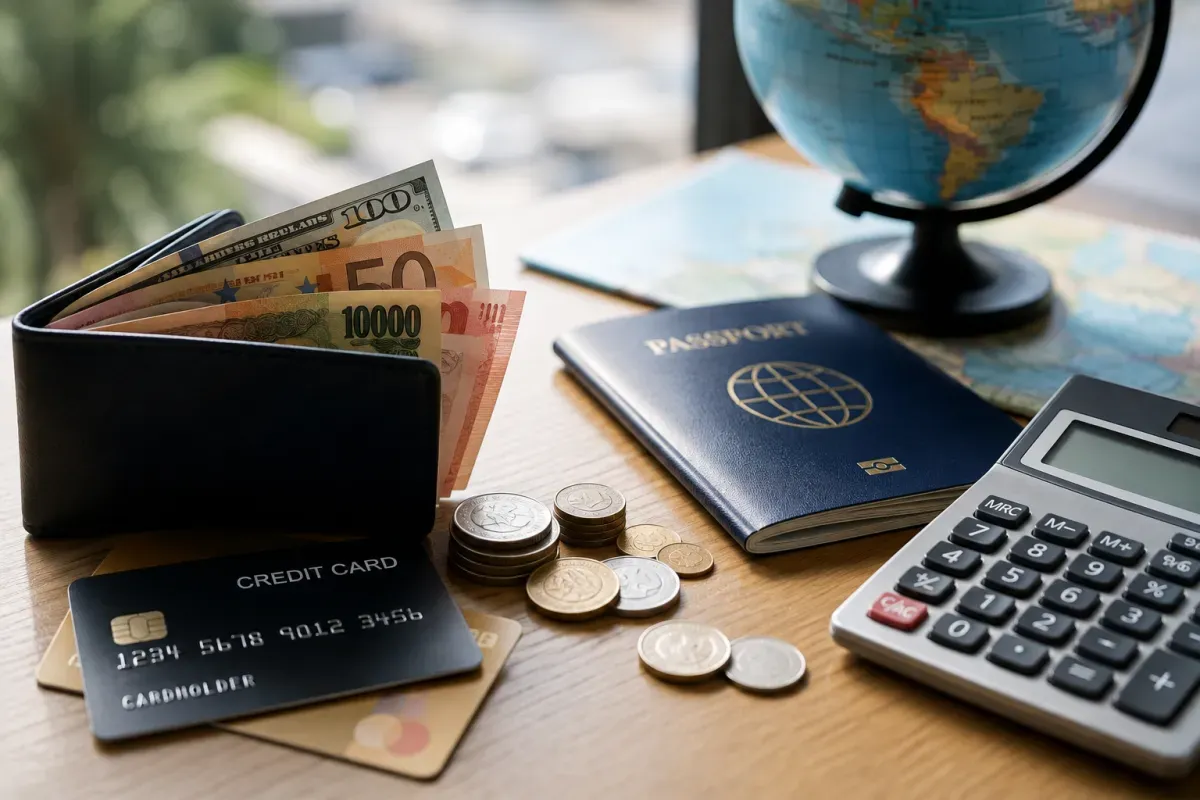
The currency is the euro (EUR, symbol EUR). Notes come in 5, 10, 20, 50, 100 and higher, and coins from 1 cent to 2 euros, though many shops round cash totals to the nearest 5 cents. The Netherlands is largely cashless, so cards and phones cover most needs. Keep a little cash for small vendors, markets and tips.
- Currency
- Euro (EUR)
- Rounding
- Cash to 5 cents
- Cash
- Rarely essential
- Cards are accepted almost everywhere
- Keep small cash for markets and tips
Currency Exchange Tips
Best places and methods to exchange money
You rarely need to exchange much cash in the Netherlands. If you do, avoid airport bureaux with poor rates and prefer bank ATMs for euros at a fair rate. Paying by card or phone usually gives a good exchange rate too; choose to be charged in euros, not your home currency, to avoid extra fees.
- Best value
- Bank ATM
- Avoid
- Airport bureaux
- Cards
- Pay in euros
- Airport exchange rates are usually poor
- Decline dynamic currency conversion
Credit Card Acceptance
Card brand availability and usage tips
Card payments are the norm, and contactless is everywhere. Dutch shops and transport rely heavily on the local debit scheme and Maestro/V Pay; note that some smaller shops and supermarkets may not take credit cards like American Express, and a few are card-only or debit-only. Carry a backup card and a little cash just in case.
- Norm
- Contactless cards
- Watch
- Amex less accepted
- Backup
- Second card + cash
- Some shops prefer debit over credit cards
- A few places are card-only or debit-only
ATM Usage
How to withdraw cash and associated fees
ATMs (often the yellow Geldmaat machines) are widely available and give euros. Use machines attached to banks or in busy, well-lit places, and cover your PIN. Decline the machine's offer to convert to your home currency, as your own bank usually gives a better rate. Check your bank's foreign withdrawal fees before you travel.
- ATMs
- Widely available
- Convert offer
- Decline it
- Fees
- Check your bank
- Use ATMs in busy, well-lit places
- Your own bank rate usually beats DCC
Mobile & Digital Payments
Digital payment services available locally
Contactless mobile payments with Apple Pay and Google Pay work anywhere that takes contactless cards, which is almost everywhere. Locals also use iDEAL for online bank payments, but that generally needs a Dutch bank account, so visitors rely on cards and phones. Set up your phone wallet before you travel and keep a physical card as backup.
- Phones
- Apple/Google Pay
- Local online
- iDEAL (NL banks)
- Backup
- Physical card
- Phone payments work almost everywhere
- iDEAL usually needs a Dutch bank account
Tipping Culture
Expected tipping amounts and etiquette
Tipping is modest and not obligatory, as service is included in prices. In restaurants it is common to round up the bill or leave about 5 to 10 percent for good service. A small tip for taxis, cafes and bars is appreciated but never expected. Tip in cash if you can, since card terminals do not always allow adding a tip.
- Norm
- Round up / 5-10%
- Obligatory
- No
- How
- Cash is easiest
- Service is already included in prices
- Card terminals may not allow adding a tip
Price Guide
Average costs for meals, transport, and accommodation
The Netherlands is a relatively expensive Western European destination, and Amsterdam is pricier than the rest of the country. Expect higher costs for central hotels, dining out and drinks, while supermarkets, bakeries and street snacks like herring or fries are good value. Save by using public transport, eating lunch specials and staying slightly outside the city centre.
- Level
- Fairly expensive
- Priciest
- Central Amsterdam
- Value
- Supermarkets, snacks
- Central hotels and dining cost more
- Lunch specials and markets save money
Non-EU residents can usually reclaim VAT on eligible goods taken home unused, above a minimum purchase amount. Ask the shop for a tax-free form, then get it validated by customs when you leave the EU, and claim your refund via the operator. Keep goods, receipts and forms handy at the airport. Rules and thresholds change, so confirm current details before shopping.
- Who
- Non-EU residents
- Steps
- Form + customs stamp
- Check
- Current thresholds
- Validate the form when leaving the EU
- Keep goods and receipts for inspection