
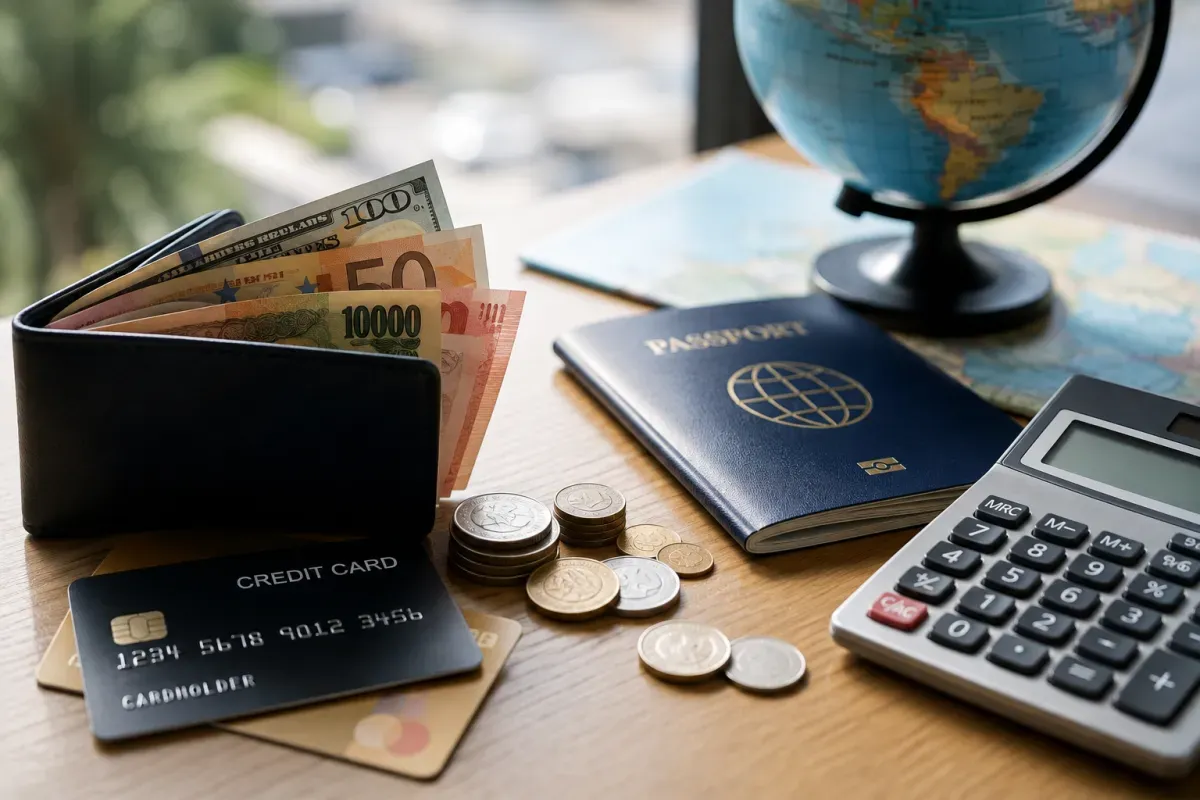
Currency & Payment
Exchange rates fluctuate daily. Check current rates locally.
Local Currency Overview
Currency type, banknotes, and coin denominations
The currency is the Philippine peso (PHP, symbol ₱), divided into 100 centavos. Notes come in 20, 50, 100, 200, 500 and 1,000 pesos. Cash is essential outside cities and on islands, where cards are rarely accepted. Keep small notes for taxis, jeepneys, markets and tips.
- Currency
- Peso (₱, PHP)
- Notes
- 20–1,000
- Cash
- Key on islands
- Keep small notes for taxis, jeepneys and markets
Currency Exchange Tips
Best places and methods to exchange money
US dollars are the easiest to exchange; bring clean, newer notes. Licensed money changers in malls and cities usually give better rates than airports or hotels. Count your money before leaving the counter, and keep receipts. ATMs are widely used and often give a good rate for cash withdrawals.
- Best currency
- US dollars
- Rates
- Malls > airport
- Check
- Count before leaving
- Bring clean, newer USD notes for the best rates
Credit Card Acceptance
Card brand availability and usage tips
Cards (Visa/Mastercard) are accepted at hotels, malls, larger restaurants and supermarkets in cities. Small shops, markets, jeepneys, tricycles and most island vendors are cash-only. Some places add a card surcharge. Always carry enough cash, especially when heading to beaches and remote areas.
- Accepted
- Hotels, malls (cities)
- Cash only
- Markets, islands
- Note
- Possible surcharge
- Carry enough cash for beaches and remote areas
ATM Usage
How to withdraw cash and associated fees
ATMs are common in cities and towns but scarce on smaller islands. Many charge a withdrawal fee per transaction and have a fairly low limit per withdrawal, so plan larger withdrawals before island trips. Use ATMs inside banks or malls, cover the keypad, and tell your bank you are travelling to avoid blocks.
- Availability
- Cities yes, islands few
- Fees
- Per-withdrawal charge
- Safety
- Use bank/mall ATMs
- Withdraw enough before heading to smaller islands
Mobile & Digital Payments
Digital payment services available locally
GCash and Maya are the leading local e-wallets, used for QR payments and top-ups, but they generally require a local number and often a local bank link, so they can be hard for short-stay visitors to set up. Most travellers rely on cash plus cards. International wallets like Apple Pay/Google Pay work only where card terminals accept them.
- Local wallets
- GCash, Maya
- Setup
- Needs local number
- Travellers
- Cash + cards
- Local e-wallets usually need a local number and bank link
Tipping Culture
Expected tipping amounts and etiquette
Tipping is appreciated but not obligatory. Many restaurants add a service charge (often around 10%); if not, rounding up or about 10% is a kind gesture. Small tips for hotel staff, drivers and guides are welcome. Keep small peso notes handy, as tips are usually given in cash.
- Custom
- Appreciated, optional
- Restaurants
- Service charge ~10%
- Cash
- Small notes
- Check the bill for a service charge before adding a tip
Price Guide
Average costs for meals, transport, and accommodation
The Philippines is generally affordable, though prices in tourist resorts and on islands can be higher because goods are shipped in. A local meal (carinderia) costs little, a bottle of water is cheap and a jeepney ride is minimal. Boracay, Palawan and Manila hotels are pricier than provincial towns.
- Overall
- Generally affordable
- Islands
- Can cost more
- Local meal
- Very cheap
- Resort islands cost more than provincial towns
The Philippines applies VAT (currently 12%), usually included in displayed prices. A broad, ready-to-use VAT refund scheme for departing tourists has not traditionally been widely available, though the government has discussed introducing one. Do not count on a refund at the airport; if you need certainty, confirm the current status before you travel.
- VAT
- 12% (in prices)
- Tourist refund
- Not widely available
- Confirm
- Current status
- Do not rely on an airport VAT refund; confirm current rules