Transportation
Schedules and fares are subject to change.
Airport to City Access
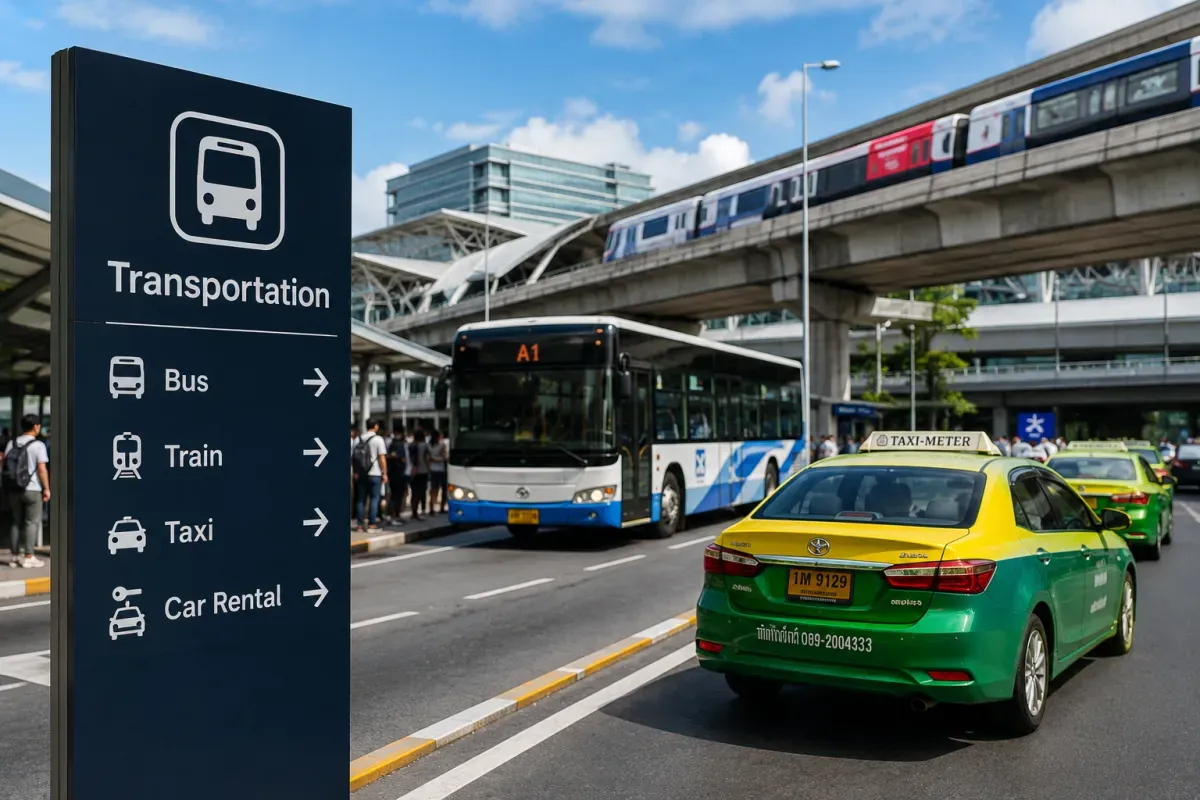
Train, bus, taxi, and other options to the city center
From Manila (NAIA) the easiest options are the official airport taxi/coupon taxi or a Grab ride booked from the app. Traffic can be heavy, so allow plenty of time. In Cebu (Mactan) and other airports, Grab and metered taxis are common. Agree or confirm the fare method, and avoid unofficial touts offering rides.
- Manila
- Airport taxi / Grab
- Traffic
- Allow time
- Avoid
- Unofficial touts
- Manila traffic is heavy — leave a generous buffer
Public Transportation
Metro, bus, tram, and how to use them
Public transport is colourful and cheap: jeepneys and buses for longer hops, tricycles for short local trips, and the LRT/MRT rail lines in Metro Manila. Jeepneys can be confusing for first-timers, so ask locals or use Grab. Rail can be very crowded at peak times. Keep small change and watch your belongings.
- Modes
- Jeepney, tricycle, rail
- Manila rail
- LRT / MRT
- Tip
- Keep small change
- Rail lines get very crowded at peak times
IC Cards & Travel Passes
Discount passes and rechargeable transit cards
In Metro Manila, the beep card is a rechargeable stored-value card used on the LRT/MRT trains and some buses and stores. You can buy and top it up at stations. Outside Manila, contactless transit cards are limited, and most local transport (jeepneys, tricycles) is paid in cash. Keep small notes and coins handy.
- Manila card
- beep
- Use
- LRT/MRT, some buses
- Elsewhere
- Mostly cash
- Outside Manila, most local transport is cash-only
Car Rental & Driving
License requirements and traffic rules
Driving is on the right. Traffic in Manila and Cebu is heavy and can be chaotic, so many visitors hire a car with a driver rather than self-drive. If you self-drive, you usually need an International Driving Permit with your home licence. Roads and signage vary; on islands, scooter rentals are common but wear a helmet.
- Drive on
- The right
- Cities
- Heavy traffic
- Popular
- Car with driver
- A car with driver is popular given heavy city traffic
Intercity Travel
Long-distance buses, trains, and ferries
Because the Philippines is an archipelago, travel between regions often means flying or taking a ferry. Long-distance buses connect towns on the same island. Inter-island ferries (such as 2GO and fast-craft operators) link ports, but schedules can change with weather. Book ahead in peak season and allow buffer time for connections.
- Between islands
- Fly or ferry
- On land
- Long-distance bus
- Ferries
- Weather-dependent
- Ferry schedules can change with weather — keep buffers
Domestic Flights
Budget airlines and booking tips
Domestic flights are the fastest way to reach far-flung islands. Cebu Pacific and Philippine Airlines (PAL), among others, connect Manila and Cebu with destinations like Boracay (via Caticlan/Kalibo), Palawan (Puerto Princesa/El Nido) and Bohol. Book early for the best fares, watch baggage limits, and expect weather-related delays in typhoon season.
- Airlines
- Cebu Pacific, PAL
- Reach
- Boracay, Palawan
- Note
- Baggage limits
- Expect weather-related delays during typhoon season
Transportation Tips
Advice for safe and efficient travel
Build in extra time for Manila traffic and for island connections, which depend on ferries and small planes. Carry small peso notes and coins for jeepneys, tricycles and boats. Use Grab where available for transparent fares. In typhoon season, keep plans flexible and check weather and ferry updates before you travel between islands.
- Plan
- Extra time
- Cash
- Small notes/coins
- Season
- Flexible in storms
- Check weather and ferry updates before island transfers