
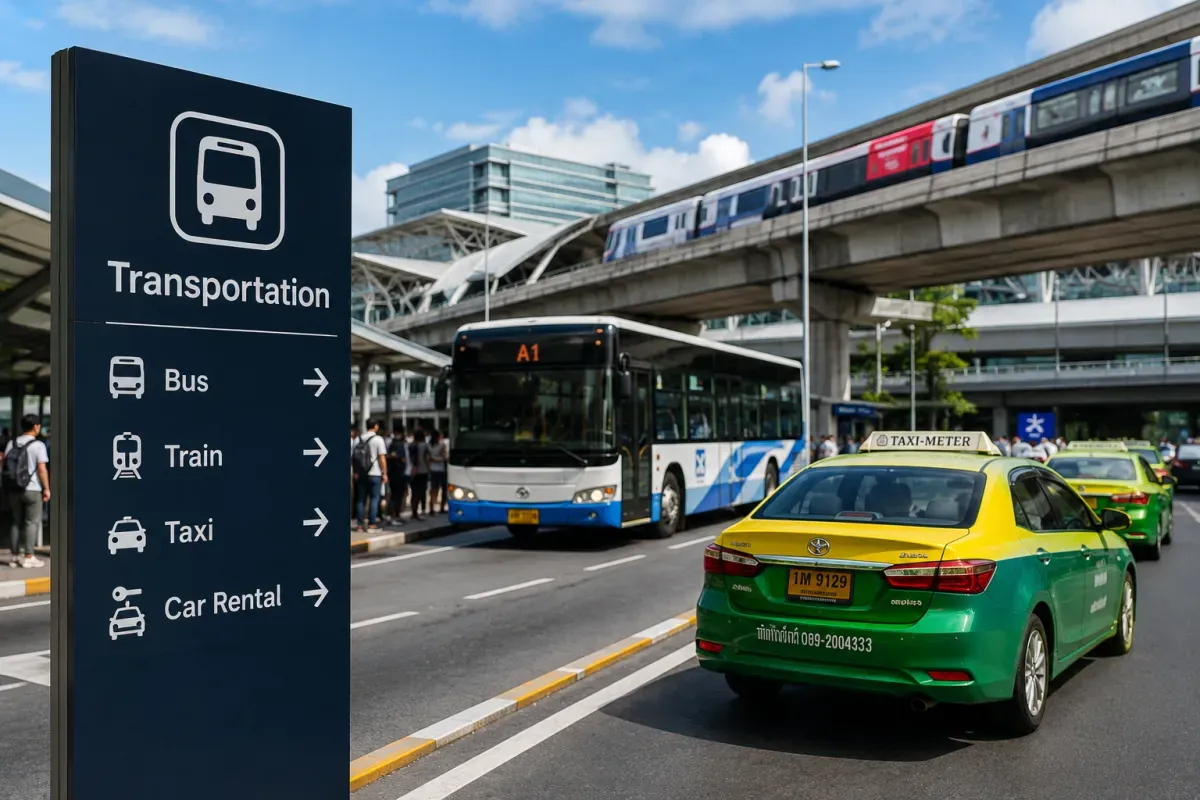
Transportation
Schedules and fares are subject to change.
Airport to City Access
Train, bus, taxi, and other options to the city center
Airport-city transfers are frequent and reliable: airport express trains and limousine buses are the main options.
- Tokyo (Narita)
- Narita Express (N'EX) or Keisei Skyliner; ~60 min to central Tokyo
- Tokyo (Haneda)
- Keikyu/Tokyo Monorail; ~30 min, very cheap
- Osaka (Kansai)
- JR Haruka or Nankai Rap:t to the city
- Fukuoka
- Subway from the airport to Hakata in ~5 min, Tenjin in ~11 min
- Nagoya (Centrair)
- Meitetsu μ-SKY to Meitetsu Nagoya in ~28 min
- Sapporo (New Chitose)
- JR Rapid Airport to Sapporo in ~37 min
- Limousine buses go directly to major hotels with luggage stowed for you
- Taxis from Narita to central Tokyo are expensive (¥20,000+); trains are far better value
Public Transportation
Metro, bus, tram, and how to use them
Trains and subways are punctual, clean and extensive — the best way to get around cities.
- Rail
- JR lines + private railways + city subways cover most destinations
- Payment
- Tap an IC card (Suica/PASMO) at the gate — no need to buy tickets each time
- Etiquette
- Quiet carriages; no phone calls; queue on platform markings
- Use Google Maps or Japan Transit Planner for routes and platforms
- Rush hours (7:30–9:00, 17:30–19:00) are very crowded
IC Cards & Travel Passes
Discount passes and rechargeable transit cards
A Suica/PASMO IC card is the easiest way to pay for trains, buses and even shops nationwide.
- IC cards
- Suica/PASMO/ICOCA — all interoperable across most of Japan
- For tourists
- Welcome Suica (no deposit, valid 4 weeks) or add Suica to Apple/Google Wallet
- JR Pass
- Worth it only for long-distance Shinkansen trips; prices rose in 2023
- IC cards also work at convenience stores, vending machines and lockers
- Mobile Suica avoids physical card shortages
Car Rental & Driving
License requirements and traffic rules
Japan drives on the LEFT. Most tourists need an International Driving Permit (Geneva Convention) plus their home licence.
- Drives on
- The LEFT side of the road
- Licence
- International Driving Permit (1949 Geneva) + your original licence
- Exceptions
- France, Germany, Switzerland, etc. need an official Japanese translation instead of an IDP
- Renting is worth it for rural areas (Hokkaido, Okinawa) but not central Tokyo/Osaka
- ETC card for expressway tolls is convenient; parking in cities is scarce and costly
Intercity Travel
Long-distance buses, trains, and ferries
The Shinkansen (bullet train) is the fastest way between cities; overnight buses are the cheapest.
- Shinkansen
- Tokyo–Osaka in ~2.5 hrs; reserve seats in peak seasons
- Buses
- Overnight highway buses are budget-friendly
- Ferries
- Connect islands (e.g. to Hokkaido, Okinawa, Shikoku)
- Book Shinkansen via smartEX/Eance or at station machines
- Regional JR passes can be cheaper than the nationwide JR Pass
Domestic Flights
Budget airlines and booking tips
Domestic flights save time over long distances (e.g. Tokyo–Okinawa/Hokkaido). ANA and JAL are the majors; LCCs are cheaper.
- Full-service
- ANA, JAL — extensive network, foreign-visitor fares available
- Low-cost
- Peach, Jetstar Japan, Skymark — cheaper, stricter baggage
- ANA/JAL offer discounted domestic fares for overseas visitors — book with your international ticket
- Arrive early; domestic security is quick but LCC counters close on time
Transportation Tips
Advice for safe and efficient travel
Get an IC card, use Google Maps for routes, and avoid rush hour with luggage.
- Apps
- Google Maps / Japan Transit Planner for routes; GO for taxis
- Luggage
- Use takkyubin (luggage delivery) to send bags between hotels
- Last trains run around midnight; check the last connection at night
- Station lockers and delivery counters make sightseeing hands-free